
By the Dental Mastery Dynamics Team
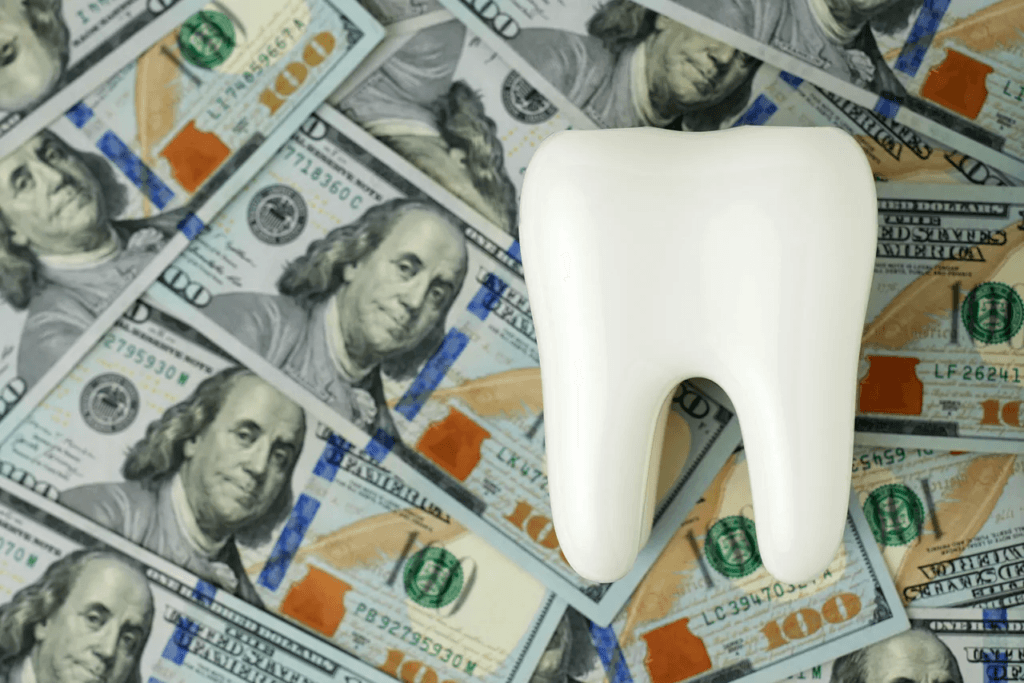
Dental practice revenue can increase significantly without adding a single additional new patient to the schedule. After 25 years of combined experience running dental operations across everything from single-location practices to multi-site groups with over 140 offices, we can tell you that the biggest revenue opportunities are almost always already inside the building. Production per patient, show rates, hygiene-to-restorative handoffs, schedule management, and patient reactivation are the five operational levers that move the needle the most.
When a dental practice wants to grow revenue, the first instinct is almost always the same: get more new patients. Run more ads. Increase the marketing budget. Cast a wider net. And sometimes that’s the right move. But the money is already in the patients who are coming in, the treatment being diagnosed, and the schedule being filled. The question is whether your systems are capturing it or letting it slip through the cracks every day.
Here are the operational levers that actually move the needle on dental practice revenue.
How Can a Dental Practice Increase Production Per Patient?
The most reliable way to increase production per patient is by improving treatment presentation depth, strengthening your case acceptance process, and training your team to identify and communicate the full scope of what each patient needs. This is one of the most undertracked metrics in dentistry, and the practices that get it right consistently outperform those that focus only on patient volume.
Most practices look at total production and total patient count separately, but the number that tells the real story is what you’re producing per patient visit. If your average production per new patient is $800 and a practice down the street is producing $1,500 per new patient, that’s not because they’re seeing different patients. It’s because their treatment presentation is more comprehensive, their case acceptance process is stronger, and their team is trained to communicate the full scope of what each patient needs.
The fix isn’t about upselling or being aggressive. It’s about being thorough. A comprehensive exam that identifies everything, a treatment plan that presents everything, and a team that helps patients understand the value of addressing it. When those three things work together, production per patient goes up naturally.
How Much Revenue Do Dental Practices Lose to No-Shows and Cancellations?
A dental practice with a 60% new patient show rate scheduling 10 new patients per week is only seeing 6 of them. That means 4 exams, 4 treatment plans, and potentially $4,000 to $8,000 in production disappear every single week. Over a year, that adds up to six figures of lost dental practice revenue from patients who were already on the books.
Every empty chair is lost revenue you can never get back. Not from patients you couldn’t attract. From patients who were already scheduled.
The confirmation process is where this gets fixed. A structured cadence of personal phone calls and text messages in the days leading up to each appointment makes patients feel expected and valued. The practices we’ve worked with that implement a disciplined confirmation cadence consistently see show rates climb from the 55-65% range into the 80s and above. One process change. Massive revenue impact.
How Does the Hygiene Department Drive Dental Practice Revenue?
Your hygiene department is one of the most powerful revenue drivers in the entire practice when the handoff to restorative is working properly. Every hygiene appointment is a diagnostic opportunity, and when the handoff is strong, same-day treatment conversions increase and patients are more likely to accept and schedule recommended work before they leave the office.
Too many practices view hygiene as a cost center that exists to clean teeth and maintain recall. In reality, when a hygienist identifies treatment needs and communicates them to the provider with context and urgency, two things happen: same-day treatment conversions go up, and patients accept and schedule recommended work before they leave.
When that handoff is weak or nonexistent, treatment recommendations turn into follow-up phone calls. And follow-up phone calls have a dramatically lower acceptance rate than in-person conversations. The revenue difference between a practice with a strong hygiene-to-restorative handoff and one without it can be tens of thousands of dollars per year.
What Is Active Schedule Management in a Dental Practice?
Active schedule management means reviewing tomorrow’s schedule today to identify and fill gaps before they become lost production. It includes maintaining a short-notice patient list, having a backfill protocol for cancellations, and treating the schedule as a dental practice revenue tool that requires daily attention rather than something that manages itself.
Most practices treat the schedule as something that fills up on its own and then the team executes whatever is on it. But the schedule is actually the single most important revenue tool in the practice, if it’s being managed actively. That means identifying open chair time and working to fill it before it becomes lost production, with a goal of filling every opening within two hours.
A practice can feel busy all day and still have 15-20% of available chair time going unused because nobody is actively managing the gaps. That’s not a patient volume problem. That’s a systems problem. And it’s fixable with daily discipline and the right protocols.
How Should Dental Practices Reactivate Dormant Patients?
The most effective way to reactivate dormant patients is through personal phone calls from your team targeting patients who are overdue for hygiene or have unscheduled treatment on file. These are people who already trust you, already have a relationship with your team, and already have treatment needs that were either diagnosed and not completed or are due for recall. A focused reactivation effort can generate significant dental practice revenue without spending a dollar on external marketing.
Practices spend thousands on marketing to attract new patients while hundreds or even thousands of existing patients sit dormant in the practice management system. The patients are already yours. They just need a reason and a reminder to come back.
Build this into your weekly operations. Have your team identify a batch of reactivation targets every week and reach out with personal calls, not just automated texts. The personal touch makes a difference, especially with patients who haven’t been in for a while and may feel awkward about returning.
What Is the Difference Between a Busy Dental Practice and a Profitable One?
The difference between a busy dental practice and a profitable one comes down to whether five or six operational levers are working at the same time: better treatment presentation, higher show rates, a productive hygiene department, active schedule management, and consistent reactivation of existing patients. Dental practice revenue growth almost never comes from one big change. It comes from stacking these improvements together.
Each of those levers on its own might add $2,000 to $5,000 per month. Stack them together and you’re looking at a fundamentally different practice within 90 days. Not by working harder or seeing more patients. By getting more out of the patients and the time you already have.
That’s exactly the kind of daily operational coaching that Dental Mastery Dynamics was built to provide. Our AI connects to your practice data and coaches your team daily on the specific levers that will have the biggest impact on your revenue. Built on 25 years of combined dental operations experience, it thinks like the Director of Operations most practices can’t afford to hire.
If you’d like to see what your practice data is telling you and where the biggest revenue opportunities are hiding, book a strategy call and we’ll walk you through it.
Frequently Asked Questions
How can a dental practice increase revenue without more new patients?
Improve production per patient by deepening treatment presentation, strengthening case acceptance, and increasing same-day treatment conversions. Reactivate dormant patients already in your system and tighten schedule management to reduce lost chair time. Most practices have significant untapped revenue in the patients they’re already seeing.
What is the fastest way to improve dental practice profitability?
Improving your new patient show rate through a structured confirmation cadence typically delivers the fastest results. Going from a 60% to an 85% show rate can represent thousands of dollars in additional production per month without any increase in marketing spend.
How does the hygiene department impact dental practice revenue?
Every hygiene appointment is a diagnostic opportunity. When the handoff from hygiene to restorative is smooth and timely, same-day treatment acceptance increases and patients are more likely to schedule recommended work before leaving. A weak handoff pushes treatment into follow-up calls with significantly lower conversion rates.
What is a good new patient show rate for a dental practice?
A strong new patient show rate is 80% or above. Many practices operate in the 55-65% range without realizing how much revenue that costs them. A disciplined confirmation cadence using personal phone calls in the days leading up to each appointment is the most effective way to push show rates into the 80s and higher.
What is active schedule management in a dental practice?
Active schedule management means reviewing tomorrow’s schedule today to identify and fill gaps before they become lost production. It includes maintaining a short-notice patient list, having a backfill protocol for cancellations, and treating the schedule as a revenue tool that requires daily attention rather than something that manages itself.
dentalmasterydynamics.com
AI-Powered Dental Operations Coaching